
The Blunt Truth About Chargebacks for High-Risk Businesses: Why Dispensaries Are Seeing a Surge in 2025
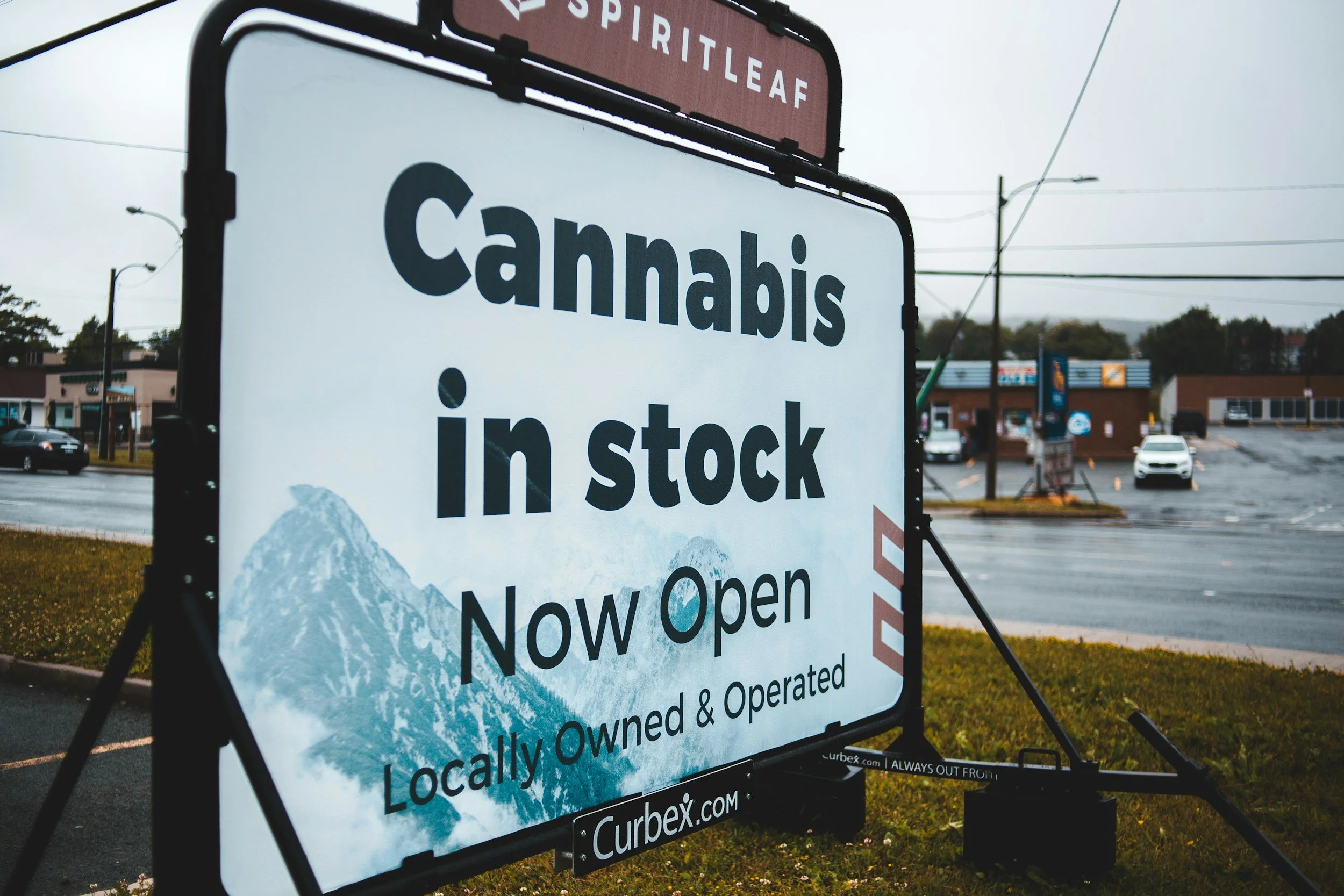
In 2025, dispensaries and other high-risk businesses are facing an increasingly urgent problem: chargebacks are rising faster in this sector than almost anywhere else in retail. The trend isn’t anecdotal. It’s being documented across financial publications, payments industry reports, and cannabis-sector news outlets. And while chargebacks affect every merchant, their impact on high-risk businesses is far more severe, creating operational instability, delayed deposits, higher fees, and, in some cases, complete account shutoffs.
What’s unfolding is not just a payments issue; it’s a structural challenge for an industry already navigating banking uncertainty and evolving regulations. For dispensaries, the surge in chargebacks is becoming one of the most persistent and overlooked threats to revenue in 2025.
A Growing Problem No One Can Ignore
In late 2024 and early 2025, multiple industry reports highlighted an escalation in payment-related disputes across cannabis retail. Publications such as MJBizDaily and Cannabis Business Times reported that dispensaries saw noticeably higher chargeback ratios compared to traditional retail environments, a trend driven by customer confusion, unrecognized transaction descriptors, increased card usage as financial institutions cautiously expand services, and a rise in “friendly fraud,” where customers dispute legitimate purchases.
According to Forbes and PYMNTS.com, chargebacks across several high-risk categories rose significantly in 2024, fueled by economic strain, increased online transactions, and consumers more willing than ever to dispute charges instead of seeking customer service solutions. These broader market forces are spilling into cannabis and amplifying issues for merchants who already operate under stricter scrutiny from processors and banks.
For dispensaries, even a small uptick in disputes can trigger disproportionate consequences. Card networks and acquiring banks hold high-risk merchants to tighter thresholds, meaning a chargeback ratio that would barely affect a traditional boutique can place a dispensary under review almost immediately. Funds can be held, deposits delayed, or accounts terminated, all while the dispensary is still expected to serve customers and maintain compliance.
Why Chargebacks Hit Dispensaries Harder Than Other Retailers
The cannabis industry operates with unique customer behaviors and structural limitations that make chargebacks more likely. Many consumers still do not fully understand how cannabis transactions appear on their card statements, especially when processors use generic or legally required descriptors. When a customer sees an unfamiliar or vague business name attached to a dispensary charge, they may dispute the purchase simply because they do not recognize it.
At the same time, dispensaries often manage a higher volume of small-ticket purchases, leading to more opportunities for misunderstandings between consumers, banks, and processors. As card acceptance expands in the cannabis market, particularly with PIN debit solutions becoming more widely available, the number of payment transactions increases, and with it, the volume of potential disputes.
Industry analysts have also noted that cannabis retailers face challenges in providing documentation that satisfies traditional financial institutions during dispute reviews. Because dispensaries operate in a legally complex environment, even straightforward proof-of-purchase materials can be scrutinized more harshly.
The result is a disproportionate burden: dispensaries may be required to provide more evidence, respond faster, and maintain stricter internal controls than merchants in traditional retail. When these systems are not in place, or when a processor fails to guide them, disputes are far more likely to result in financial loss and elevated risk scores.
The Ripple Effect: Banking Pressure, Higher Fees, and Frozen Deposits
As news outlets like Bloomberg and American Banker have noted in their coverage of high-risk payment sectors, acquiring banks have grown increasingly cautious when evaluating merchants with elevated dispute activity. Dispensaries frequently sit under more intense scrutiny because of their federal classification, even in states where cannabis is fully legal.
When chargebacks rise, the chain reaction often includes delayed funding timelines, increased reserves, higher processing costs, and, in severe cases, loss of payment processing entirely. For an industry where cashflow is critical, especially amid tightening margins and rising competition, the impact can be destabilizing.
What makes this challenge even more pressing is the speed at which events unfold. A dispensary may go from a handful of disputes to a full account review in a matter of weeks. And unlike traditional retailers, which may have months to correct ratios, dispensaries are often given far less time to resolve issues before penalties take effect.
Why Many Dispensaries Are Unprepared
While chargebacks are not new, the rapid escalation in disputes within the cannabis sector has caught many merchants off-guard. Part of the problem lies in the support models offered by many payment processors. High-risk businesses often report receiving limited guidance on dispute policies, unclear instructions from processors, and insufficient tools for tracking issues in real time. Without proactive chargeback prevention strategies, dispensaries face an uphill battle as soon as disputes begin to rise.
This lack of transparency not only makes it harder to prevent chargebacks but also harder to win them. Dispensaries frequently lose disputes because their processor did not provide best practices for documentation, policy language, customer communication, or evidence submission. In a regulatory environment where every small discrepancy can be magnified, merchants deserve and need better support.
Looking Ahead: A Problem That Needs Industry-Wide Change
As chargebacks continue to rise across high-risk verticals, dispensaries are positioned at the center of a growing challenge that demands attention from processors, banks, regulators, and technology partners. Unless merchants are equipped with accurate data, real-time reporting, clear descriptor strategies, and dedicated dispute assistance, chargebacks will remain a costly and growing threat.
But this isn’t a hopeless trend. Chargeback reduction is achievable when dispensaries have systems designed for their industry’s realities rather than generic retail templates. The difference between rising disputes and stable operations often comes down to whether a processor is prepared to support the complexities of cannabis payments, not just process them
How Valor Is Helping Dispensaries Regain Control
Dispensaries deserve a payments partner that understands the nuance of high-risk environments and the accelerating chargeback problem. Valor Payments provides real-time reporting, strengthened fraud tools, transparent dispute workflows, and hands-on support built specifically for industries facing elevated scrutiny.
As chargebacks continue to rise across the cannabis sector, every retailer, from small local shops to multi-state operators, needs a strategy tailored to 2025’s financial landscape. The dispensaries that thrive will be the ones that take control of their payments infrastructure before disputes become a cascade of operational and financial consequences.
